
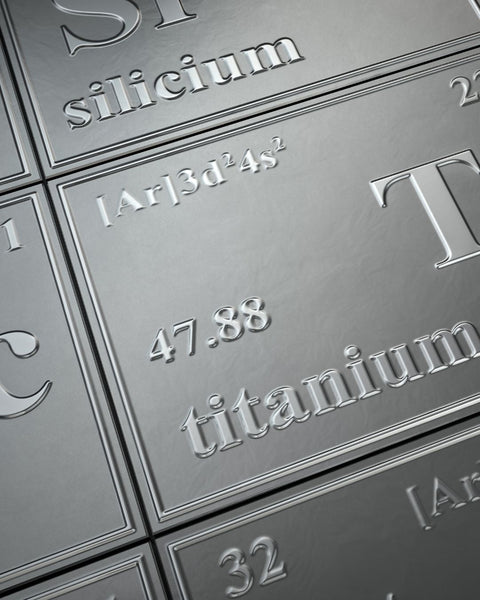
Titanium Dioxide (E171) in Toothpaste: What the Current Assessment Says
Titanium dioxide (E171) gives many toothpastes their white colour. Since the substance was no longer approved as a food additive in the EU in 2022, many people are wondering how it should be classified in toothpaste. In cosmetics, it remains permitted – the assessment by the authorities is differentiated. This article summarises the current state of play objectively.
What is titanium dioxide and why is it in toothpaste?
Titanium dioxide (also known as CI 77891 or Titanium Dioxide) is a white mineral colour pigment that gives toothpaste its characteristic white colour. The additive has no benefit for tooth care – it is purely a cosmetic effect.
Here's how you can identify titanium dioxide in toothpaste: CI 77891 or Titanium Dioxide in the ingredients list.
Why was titanium dioxide no longer approved in food products?
In 2021, after evaluating over 12,000 studies, the EFSA concluded that harmful effects on genetic material could not be ruled out. Since August 2022, titanium dioxide has therefore no longer been approved as a food additive in the EU – this affects, for example, chewing gum, sweets, baked goods, soups and sauces.
How is titanium dioxide assessed in toothpaste?
The classification is differentiated. The Federal Institute for Risk Assessment (BfR) states: "There are currently no indications that titanium dioxide in cosmetic products such as toothpaste is harmful to health."
At the same time, questions remain open: for an effect on genetic material, the substance would need to enter the body; when brushing teeth, it is possible to swallow small amounts, and the long-term effects have not been conclusively researched. Particles at the nanoscale are being discussed in particular.
The EU Commission's Scientific Committee on Consumer Safety (SCCS) states in an assessment that a genetic-damaging effect from cosmetic products taken orally cannot be ruled out.
Current developments
The EU continues to examine the future of titanium dioxide in cosmetics. Many manufacturers have now voluntarily discontinued the ingredient. The Hamburg Consumer Centre advocates for regulations in cosmetic products as well. A study by ÖKO-TEST of 48 toothpastes found that approximately one third of the products tested still contained titanium dioxide.
What you can do
A quick look at the packaging is enough: if it says CI 77891 or Titanium Dioxide, the product contains titanium dioxide. There are numerous toothpastes and tooth powders available without this additive.
A natural alternative: hydroxylapatite tooth powder
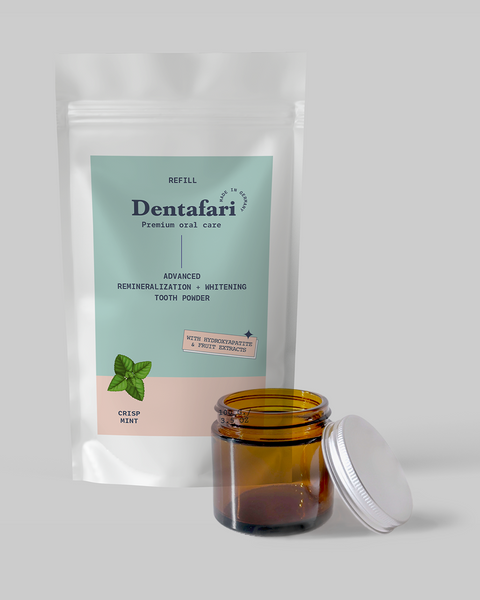
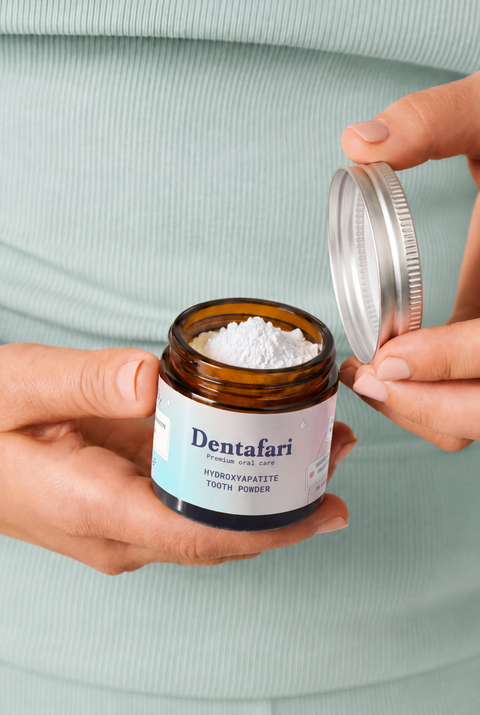
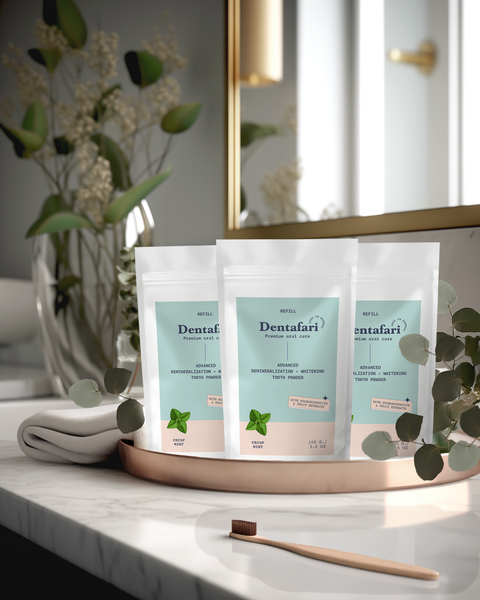
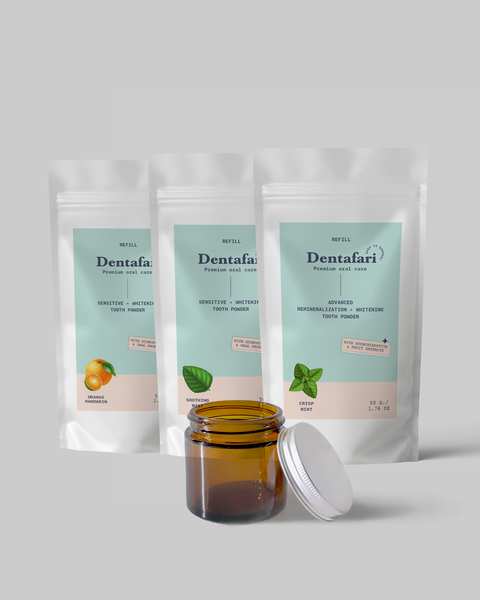
If you're looking for tooth care without titanium dioxide, you'll find it, for example, in hydroxylapatite tooth powder. Hydroxylapatite (HAp) is a substance found in the body – the mineral that tooth enamel is largely made of. Our tooth powder combines hydroxylapatite with plant-based enzymes and xylitol – without titanium dioxide, without SLS and without synthetic foaming agents.
Hydroxylapatite can support the natural remineralisation of tooth enamel, and with its low abrasiveness is gentle on sensitive teeth and contributes to a naturally brighter appearance through surface smoothing.
Titanium dioxide is currently permitted in toothpaste, and the discussion at EU level continues. Studies show – you decide what suits you.
Discover hydroxylapatite tooth powder now →
Sources
- Hamburg Consumer Centre: Titanium dioxide: soon banned from toothpaste too? (2025)
- German Cancer Research Centre (DKFZ): Is titanium dioxide carcinogenic? (2024)
- ÖKO-TEST: Toothpaste test: Titanium dioxide still in 13 out of 48 toothpastes (2024)
- Federal Institute for Risk Assessment (BfR): Titanium dioxide – are there health risks? (2025)
- EU Commission: SCCS Scientific Opinion (2023)
Note: This blog post is for information purposes and does not replace dental advice.
Bestsellers
Comments (0)
There are no comments for this article. Be the first one to leave a message!